

Mawazo Institute Research Symposium
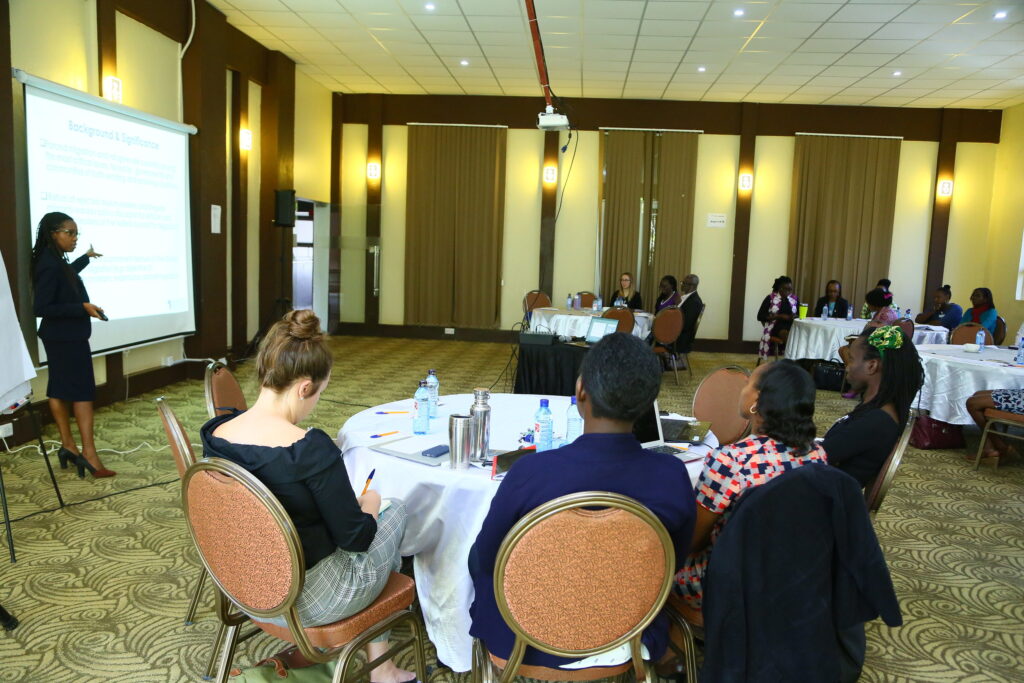
“Given the immense talent on the continent, why aren’t there more African scholars in the global research community? And what are the implications of this gap on Africa’s ability to develop homegrown solutions to pressing development challenges?” she and co-founder Rachel Strohm had asked each other when they were still undergraduate students in the United […]
Meet Marilyn Ronoh, Mathematician and Mawazo Scholar
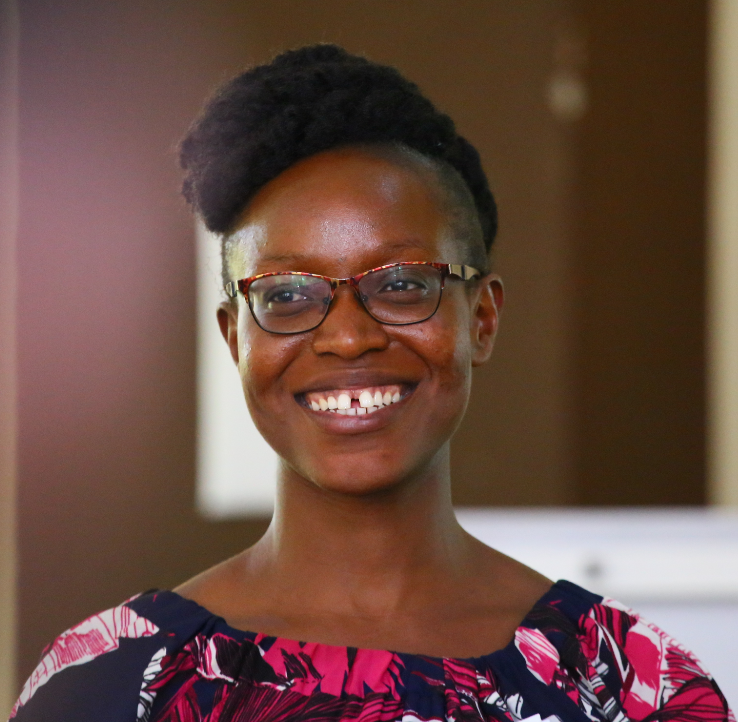
I was initially exposed to the use of mathematical methods to study infectious diseases while pursuing my masters in Applied Mathematics at the University of Nairobi. My research focused on mathematical modelling of Rift Valley Fever in Kenya, a viral disease that affects livestock and wild animals but can be transmitted to human beings via […]
Reducing HIV/AIDS Risks in Young Kenyans: An Awareness Mathematical Model
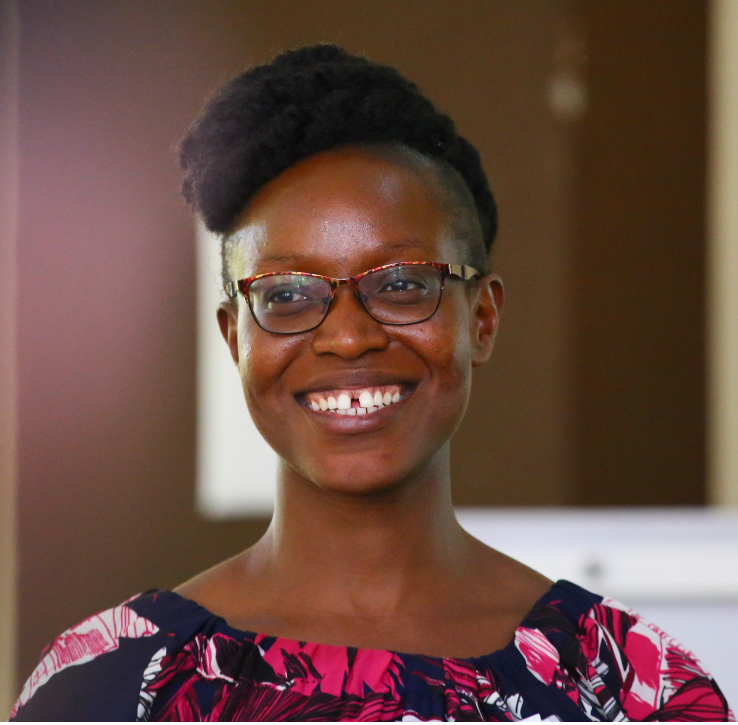
Kenya has made significant gains in controlling the HIV/AIDS epidemic over the past decade, cutting the prevalence of the disease by almost half from 10.5% of the population in 1996 to 5.9% in 2015. However, a spike in new infections among adolescents and young adults, young women especially, is threatening to undo decades of progress. […]
Meet Susan Gichuna, Sustainable Urban Development Expert and Mawazo Scholar
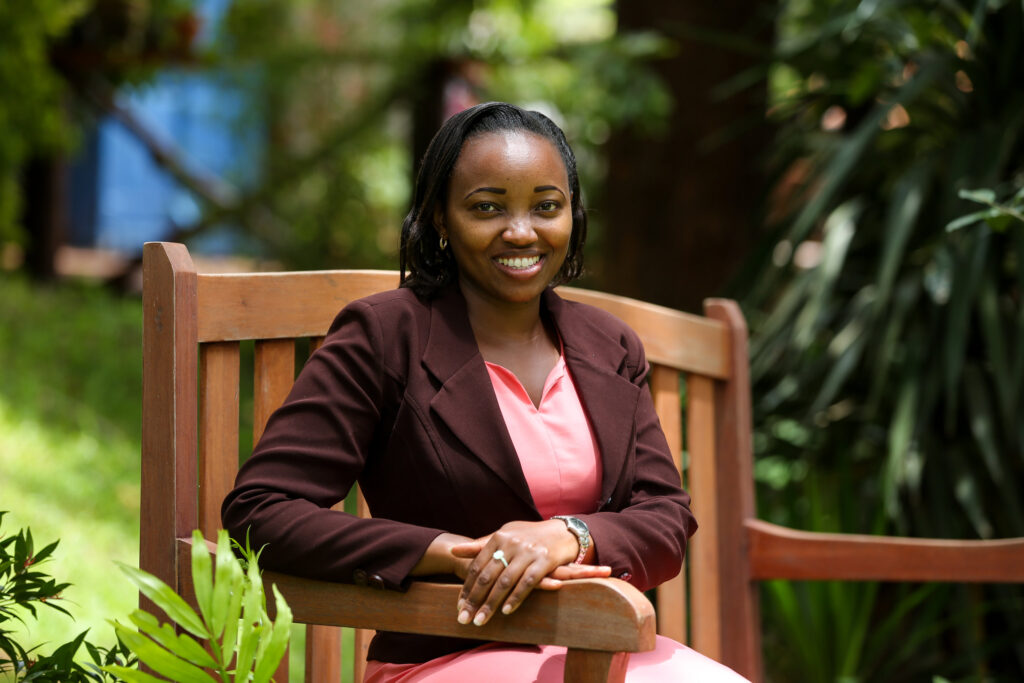
Whenever it rains in Nairobi, chaos erupts: roads get flooded, traffic jams suddenly set in, bus fares hike and pedestrians scamper for shelter. This is due to the various challenges crippling the Nairobi’s transport sector including, inadequate and poorly maintained infrastructure, poor drainage systems, and inefficiency in the public transport system. Extreme weather conditions such as […]
Meet Teresiah Njihia, Entomologist and Mawazo Scholar
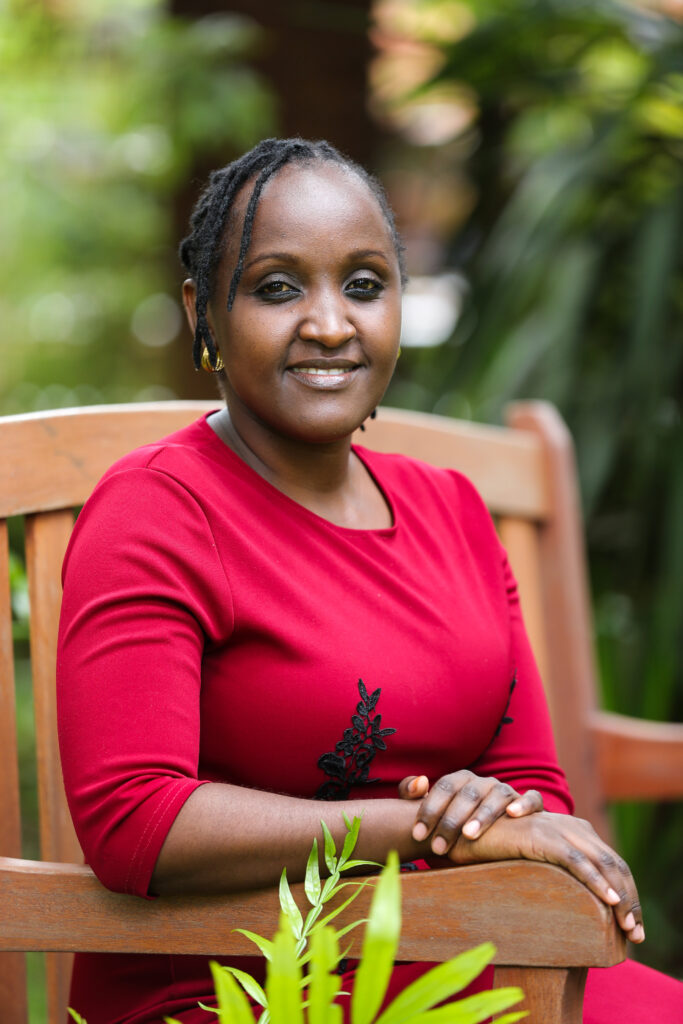
As an individual, I’m eager to take on challenges. I am particularly drawn to demystifying fields that women are not traditionally expected to be involved in. Growing up, I loved mathematics and the sciences. I had big dreams of enrolling in a basic science degree such as engineering or medicine after completing high school but […]
Controlling the Antestia bug, Coffee Pest and Smallholder Livelihood Killer
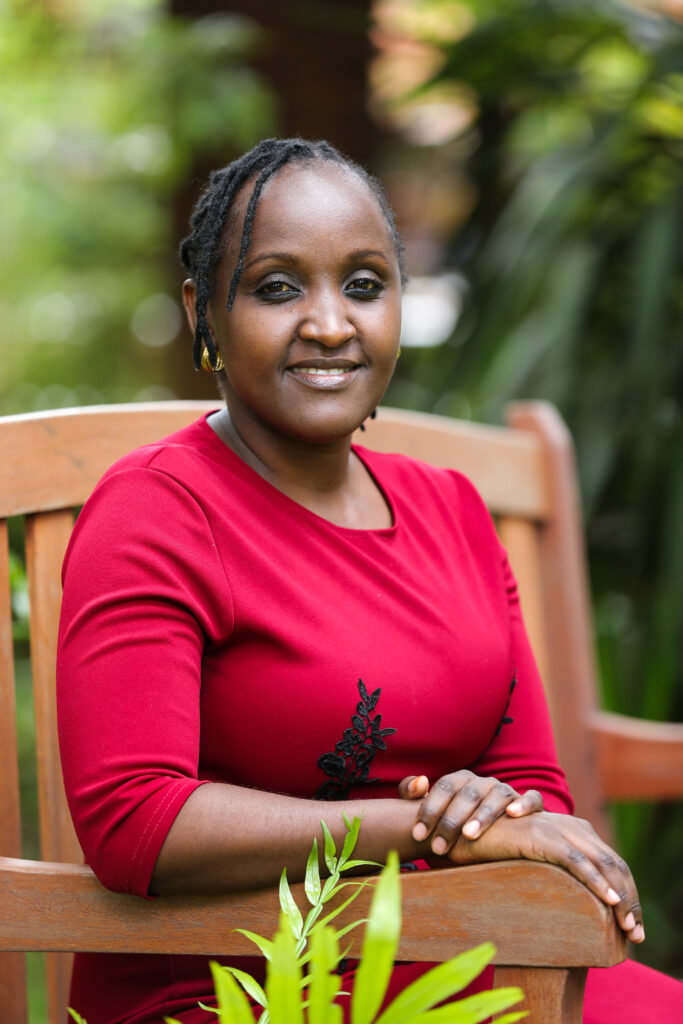
Coming from a coffee growing region and family, I have experienced first-hand the benefits that come from coffee farming in my family and our community. With the supplementary income they made selling their coffee to local and international markets, my parents were able to educate myself and my siblings all the way through to college. […]
Investigating the Impact of Climate Change on Nairobi’s Urban Commuters
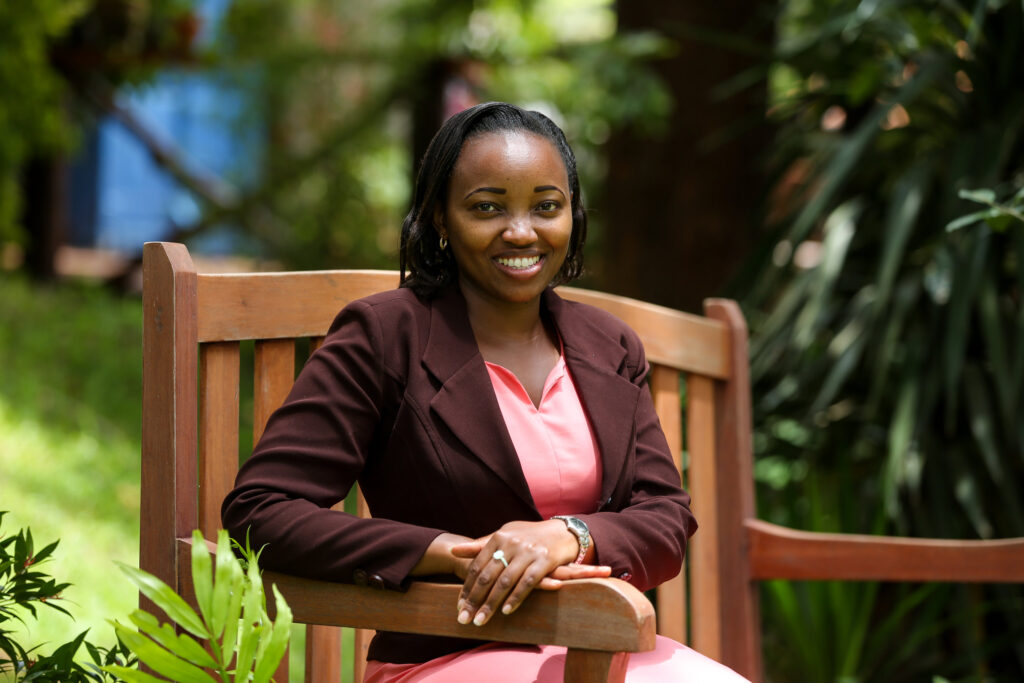
The unusually high rainfall had a major effect on commuting. Heavy traffic jams culminated in long travel hours and high transport costs, with many fatalities recorded as pedestrians and vehicles were swept away by the raging floods. It also had major impacts on transport infrastructure, both in urban and rural areas, where dilapidated bridges washed […]
Meet Judith Koskey, Environmental Specialist and Mawazo Scholar
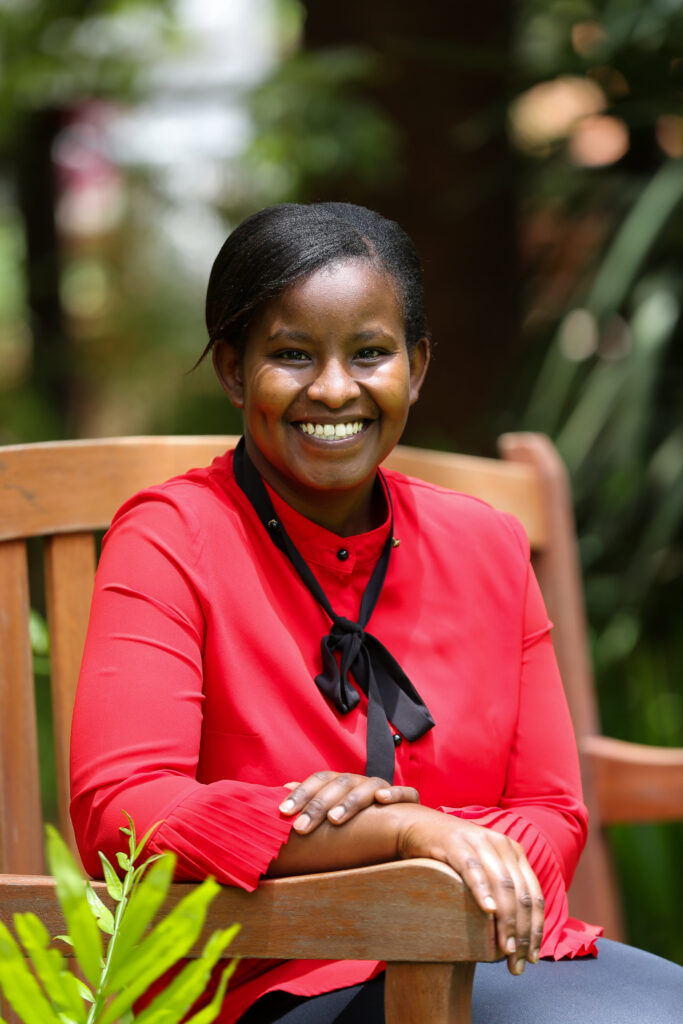
There is a pressing need to understand the consequences of human activities, such as land transformations, on watershed ecosystems. One of Kenya’s critical watersheds, the Njoro River, is important to the population of its catchment area as a source of water for domestic and industrial use. It is also of great economic value to Kenya […]
Saving the Njoro River Watershed Ecosystem
Poor farming methods, overgrazing and deforestation are the most common cause of catchment degradation in Kenya. In the case of the Njoro River, this begins from its source, the Mau forest, which is progressively being cleared to free up land for other purposes. In addition, increased agricultural activities in close proximity to the river have […]
Want to be a Woman in Science? Here’s Advice From Those Who’ve Gone Before

Each year on February 11, the United Nations marks the International Day of Women and Girls in Science. It’s a chance to reflect on how the situation has improved for women working in the fields of science, technology, engineering and maths (STEM), and how much remains to be done. For instance, less than 30% of the world’s researchers […]