

Responses to the Challenges in Diagnosing Rare Diseases in Kenya

In this piece, we will look at the efforts being made to address some of the issues highlighted in our first blog, such as lack of a local registry, lack of scientific and medical knowledge by local practitioners, and scarce treatment options. We also explore possible solutions to the challenges still facing Kenya’s Rare Disease […]
How one Engineer is Challenging the Lack of Representation in her Industry
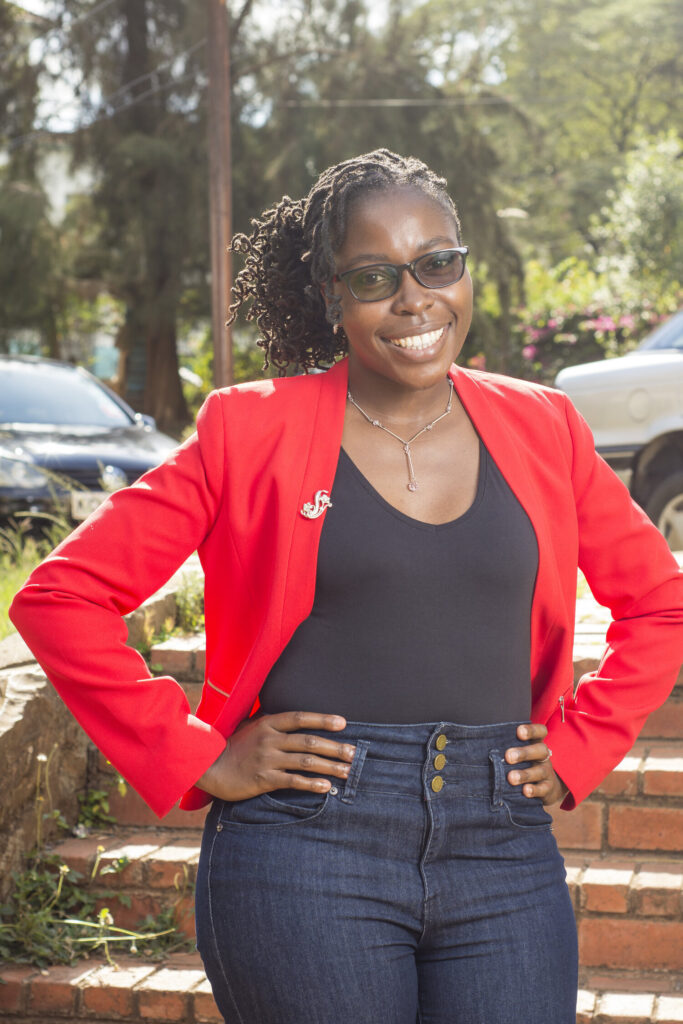
Martha, the Founder of Queengineers, an online publication that celebrates Kenyan women in engineering, tends to face obstacles head-on. From when she was quite young, Martha always wanted to know why things worked the way they did. In school, she gravitated towards physics and saw the example of her father’s own career as an engineer […]
Insights from a Postdoctoral Scientist and Rare Disease Advocate, Dr. Mendi J. Muthinja
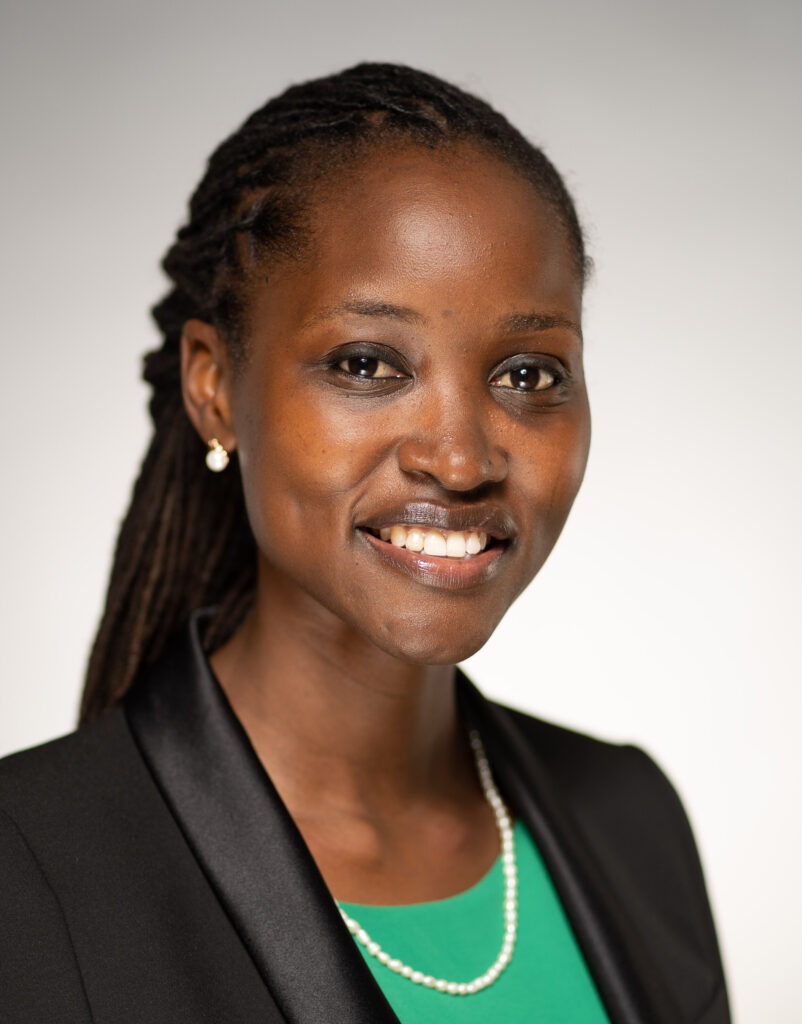
Dr. Mendi is a scientist whose background is in molecular parasitology, genetics and biophysics. Her Alma mater is Heidelberg University, in Germany, where she pursued a PhD in the biology of the Malaria parasite. Her formative years were spent at the Jomo Kenyatta University in Nairobi where she studied genetics. As a result of her […]
The Challenge in Diagnosing Rare Diseases in Kenya
On 28th February 2020, Rare Disorders Kenya, a community of people, and their support networks, with rare diseases in Kenya, invited the public to join them in celebrating Rare Disease Day at Gertrude’s Children’s Hospital. The event drew local practitioners, families, and patients affected by rare diseases, and was one of many such international commemorations […]
How one Migration Expert is “Becoming a Better Researcher”; Q & A with Jacqueline Owigo
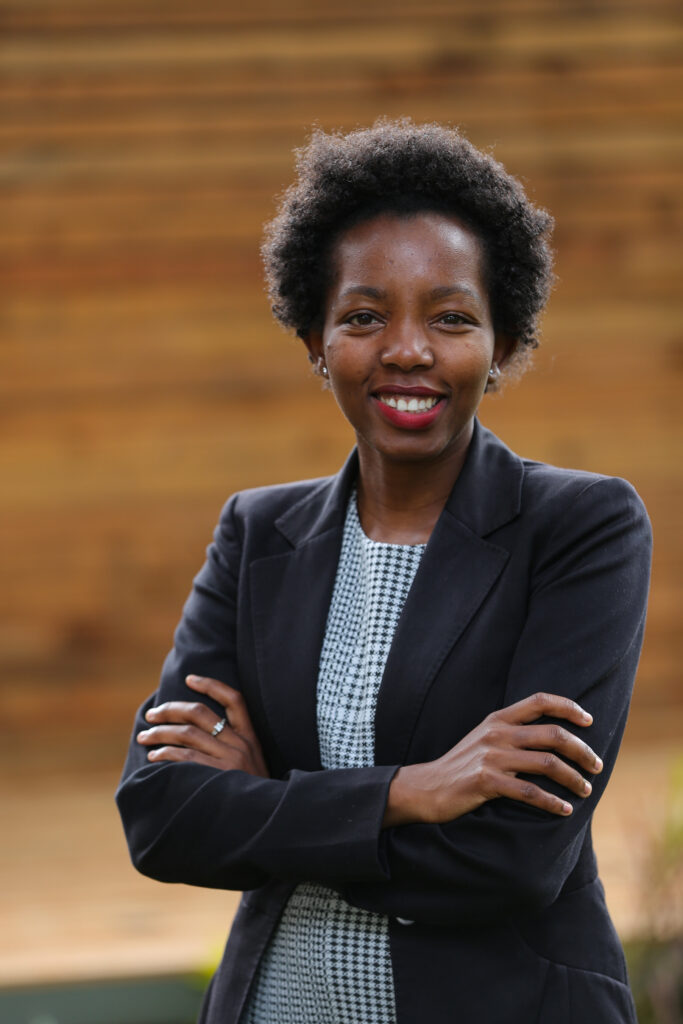
Jacqueline’s experience is backed by findings that show a shortage of professional development opportunities for African researchers. In a 2018 study on young scientists in Africa, The Next Generation of Scientists in Africa, among the top three career challenges reported by African scientists under 39 years-old was a lack of training opportunities to develop professional […]
Q & A with Dr. Angeline Wairegi, an E-Learning Specialist, on the Mawazo Learning Exchange
Dr. Wairegi is a Physical Chemist, proficient in developing, executing, and evaluating educational programmes. In our conversation, she emphasized the importance of African researchers having access to tools and resources that allow them to compete on the global stage. Q. Tell us about your background and its influence on your current work at Mawazo. I […]
We Need to Talk About Mental Health in Academia
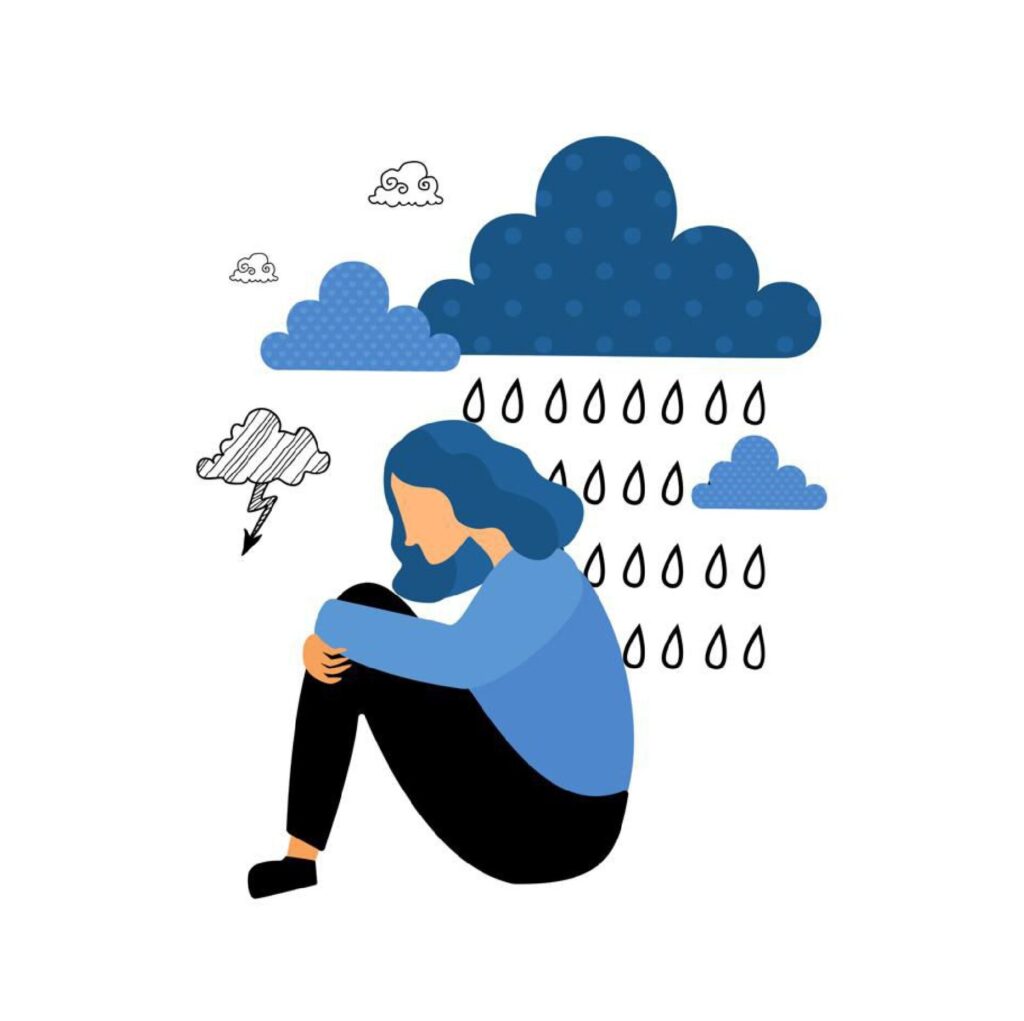
While attending the March 2018 DAAD Higher Education conference, we heard Gladys Mosomtai, a L’oréal-UNESCO For Women in Science Sub-Saharan Africa Fellow, speak about her own struggles with her mental health. We tracked her down for a more in-depth conversation on the subject. Gladys, now pursuing her PhD in International Centre of Insect Physiology and Ecology […]
Teaching Researchers How to Communicate their Work with Non-Experts
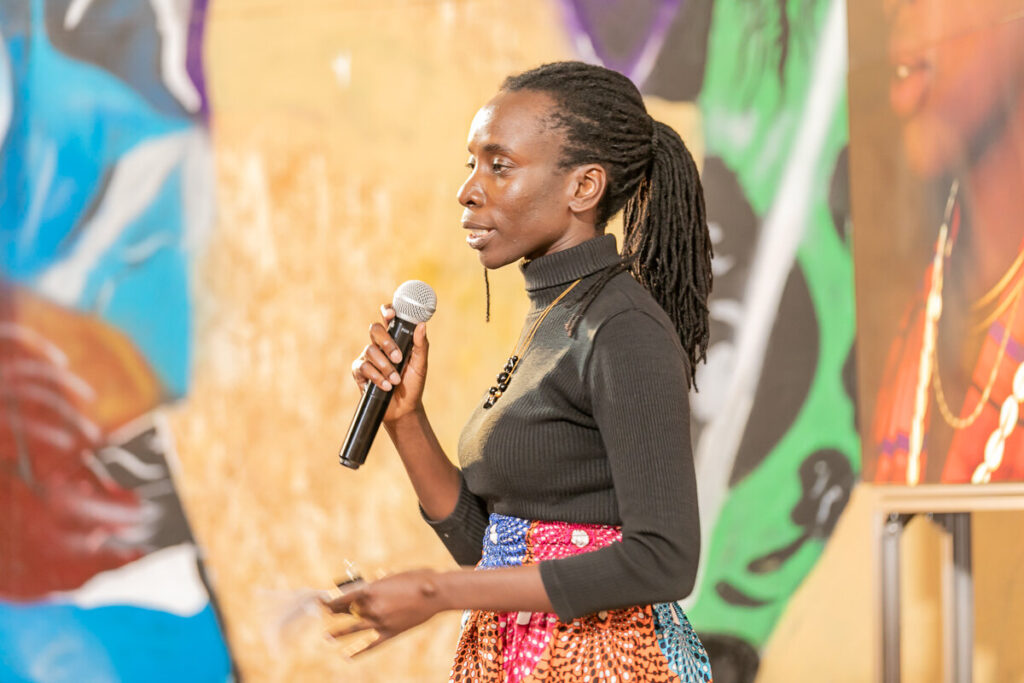
One of our partners in this work is The Conversation Africa, a platform providing an independent source of news and views from the academic and research community, delivered directly to the public. The Conversation Africa has also been hub for extensive coverage on the COVID-19 pandemic, helping curb the spread of misinformation by featuring the […]
Mawazo’s Institutional Response to the COVID-19 Crisis: What to Expect from Us
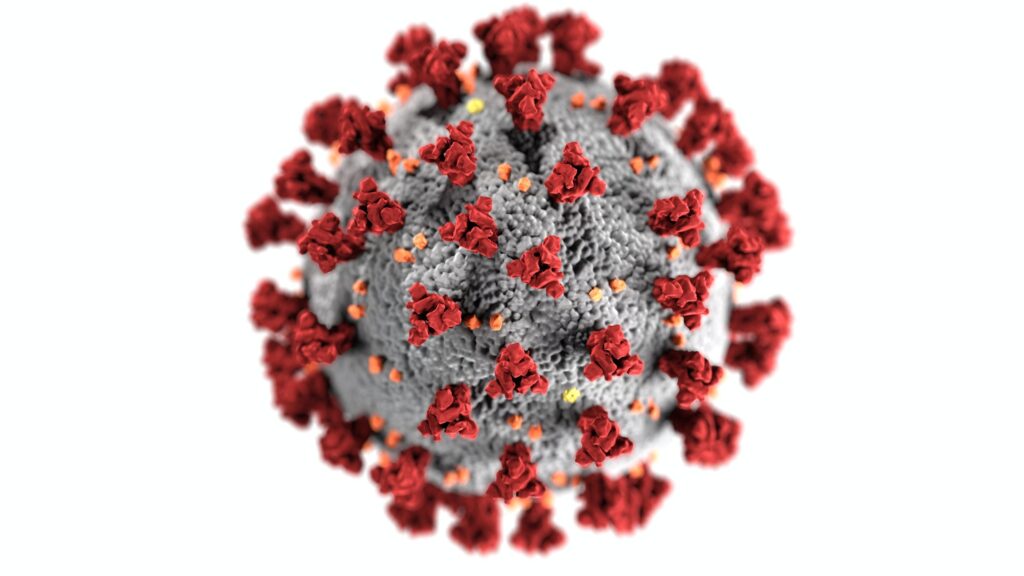
Since the onset of the crisis, we have been working on innovative ways to cope with the unexpected impacts of COVID-19. Our responses are three-fold and have focused on: (i) our obligations to our staff, (ii) our commitment to our beneficiaries, and (iii) our engagement within the regional higher education ecosystem. Today, I want to […]
Mawazo Statement on Systemic Violence
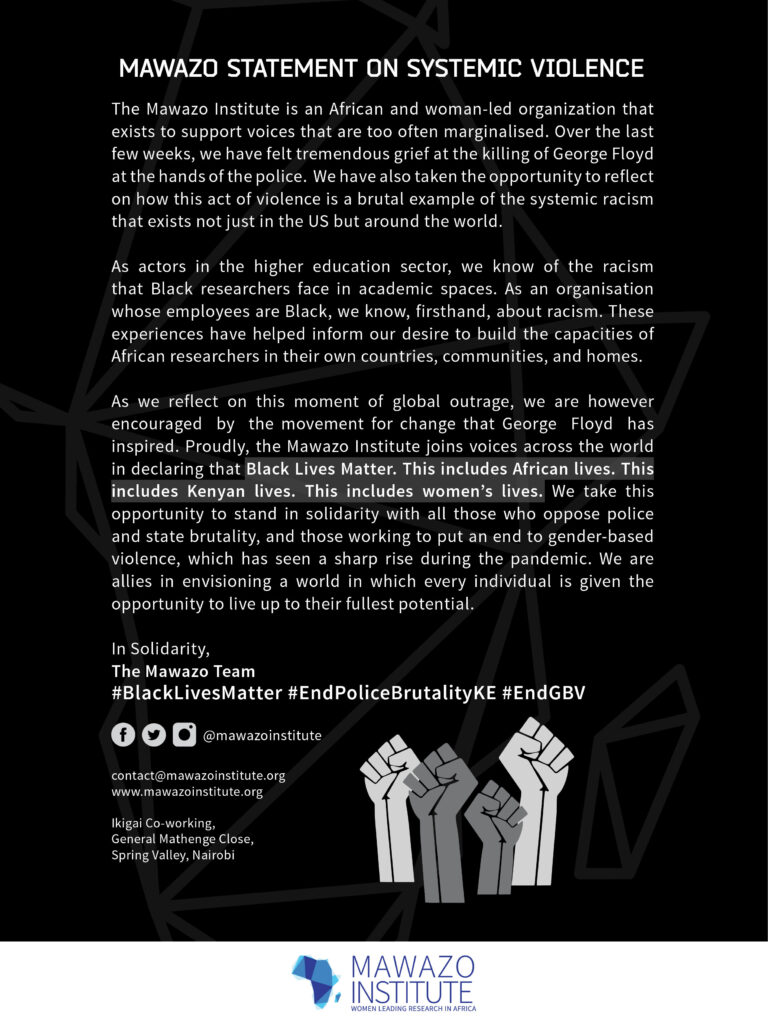
As actors in the higher education sector, we know of the racism that Black researchers face in academic spaces. As an organisation whose employees are Black, we know, firsthand, about racism. These experiences have helped inform our desire to build the capacities of African researchers in their own countries, communities, and homes. As we reflect […]